We've reached a breaking point in digital productivity.
The average professional switches between apps dozens of times a day, bookmarks dozens of articles, and saves countless screenshots. To manage this influx, we were told to create complex "Second Brains." At Obsidian, we spent hours designing nested Notion databases, color-coded labels, and setting up bidirectional connections.
Instead of reducing friction, our productivity systems became a second job.
The mental energy spent organizing, filing, and compiling information is energy stolen from true in-depth work. In 2026, true digital minimalism isn't about deleting your apps; it's about shifting from active organizing to passive capture and active retrieval.
The Hidden Tax of Manual Organization
When you save a document or clipping, traditional systems force you to make instant decisions:
"Which folder does this belong in?"
"What tags should I apply so I can find it later?"
"Is this project-related, or is it personal research?"
This micro-decision fatigue creates a friction barrier. Over time, you either abandon your system altogether or spend more time maintaining the system than using the knowledge.
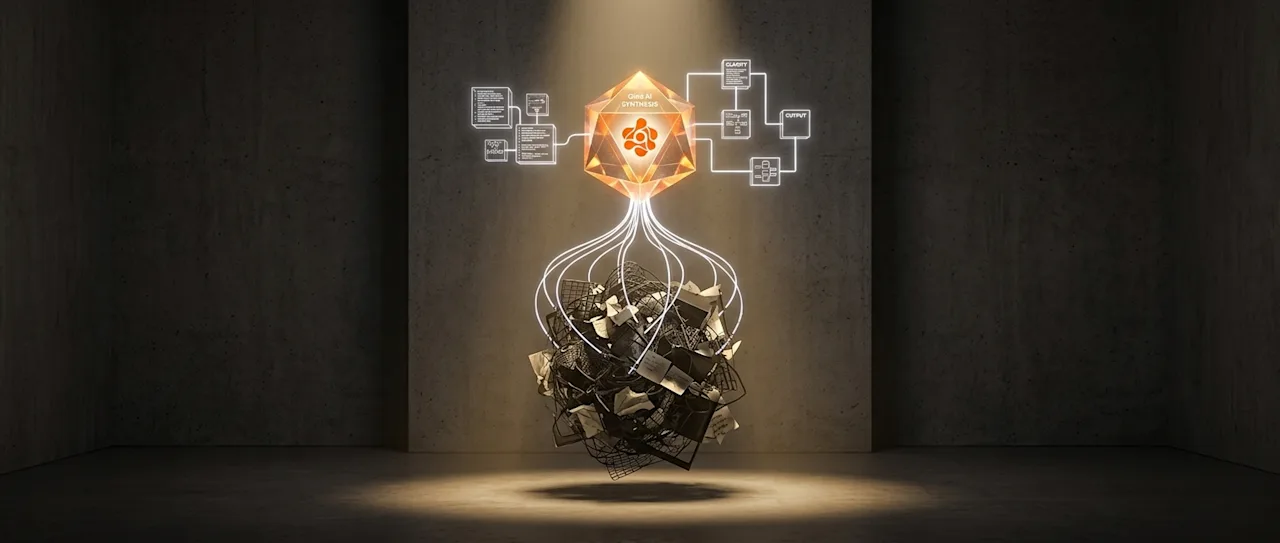
Your knowledge base turns into a digital attic—full of valuable items, but too overwhelming to search through.
The Shift: Passive Capture, Active Retrieval
Digital minimalism in 2026 relies on a simple paradigm shift: Let humans capture effortlessly, and let AI handle the structure.
1. Passive Capture (Zero Friction)
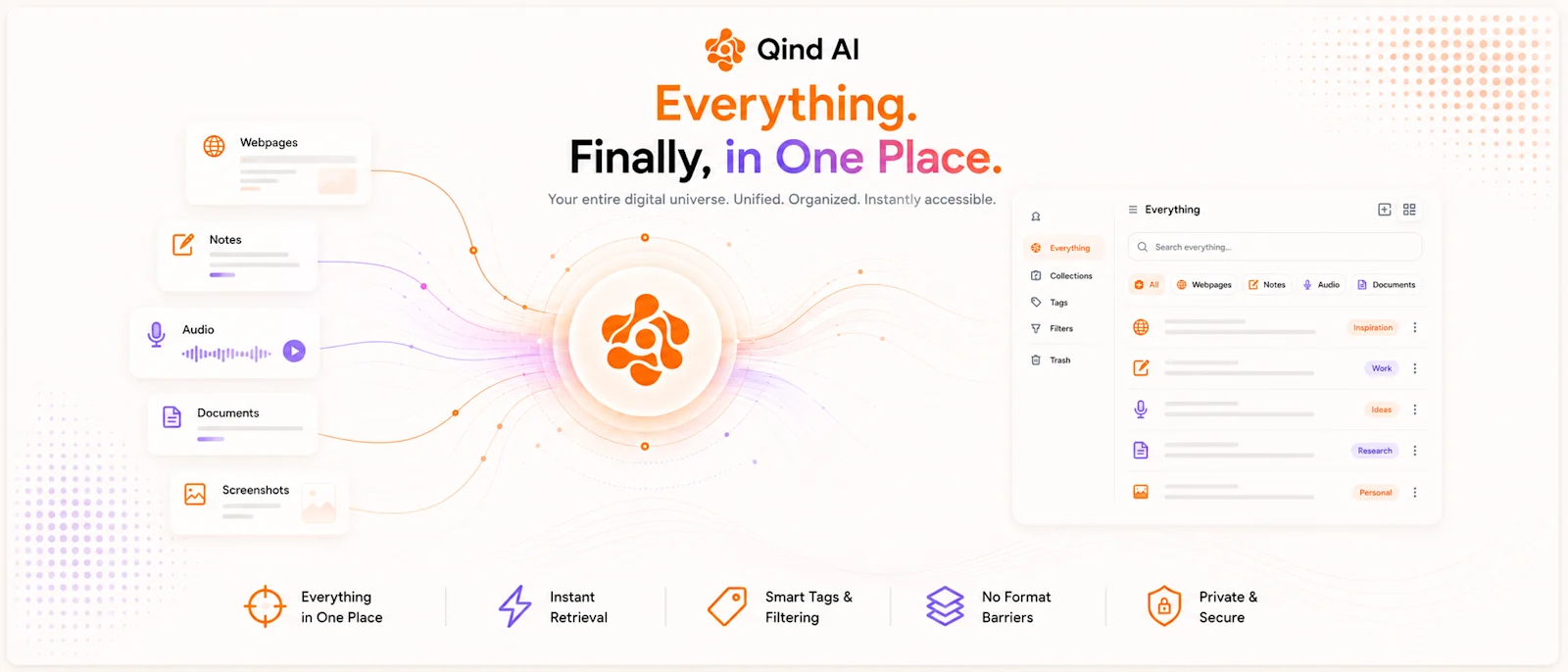
You shouldn't have to decide where to save information at the time of saving. Whether it's a PDF, web content, audio recording, or text snippet, you can simply drop it all into one unified folder. No folders, no manual tagging, no pre-sorting.
2. Active Retrieval (Intent-Based Search)
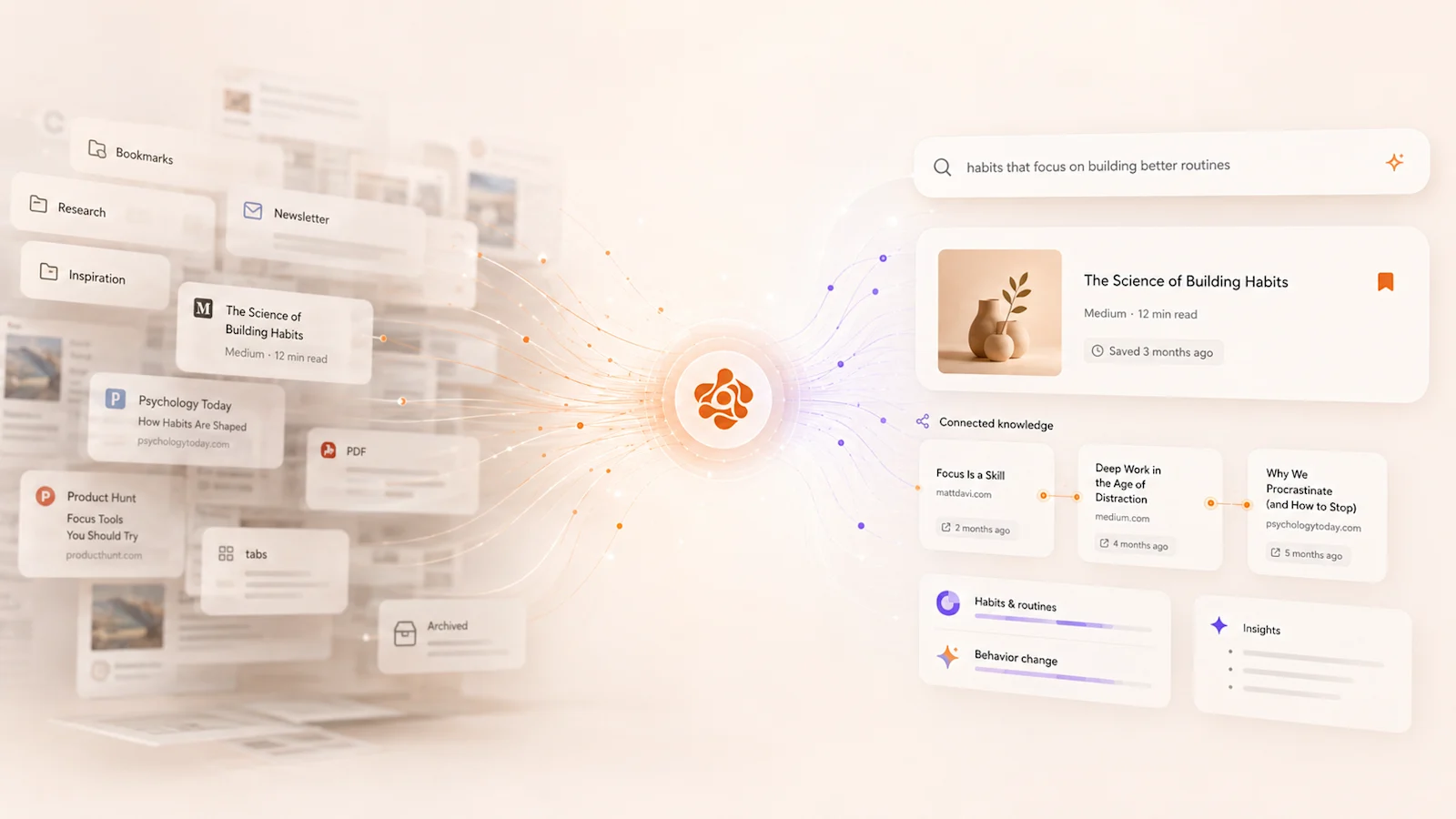
When you need that information weeks or months later, you don't navigate through subfolders. You express your intent in plain language.
Instead of remembering where you filed a specific stat, you query your repository naturally:
"Show me all the key insights I saved about mental health trends in remote workplaces."
Reclaiming Mental Health and Deep Focus
By eliminating the need for manual curation, you unlock two critical cognitive benefits:
Eliminated Decision Fatigue: You free up valuable working memory by removing the constant administrative overhead of organizing files.
Trust in Retrieval: Mental clutter disappears when you trust that your system won't lose your information—even if you didn't give it a title or a tag.
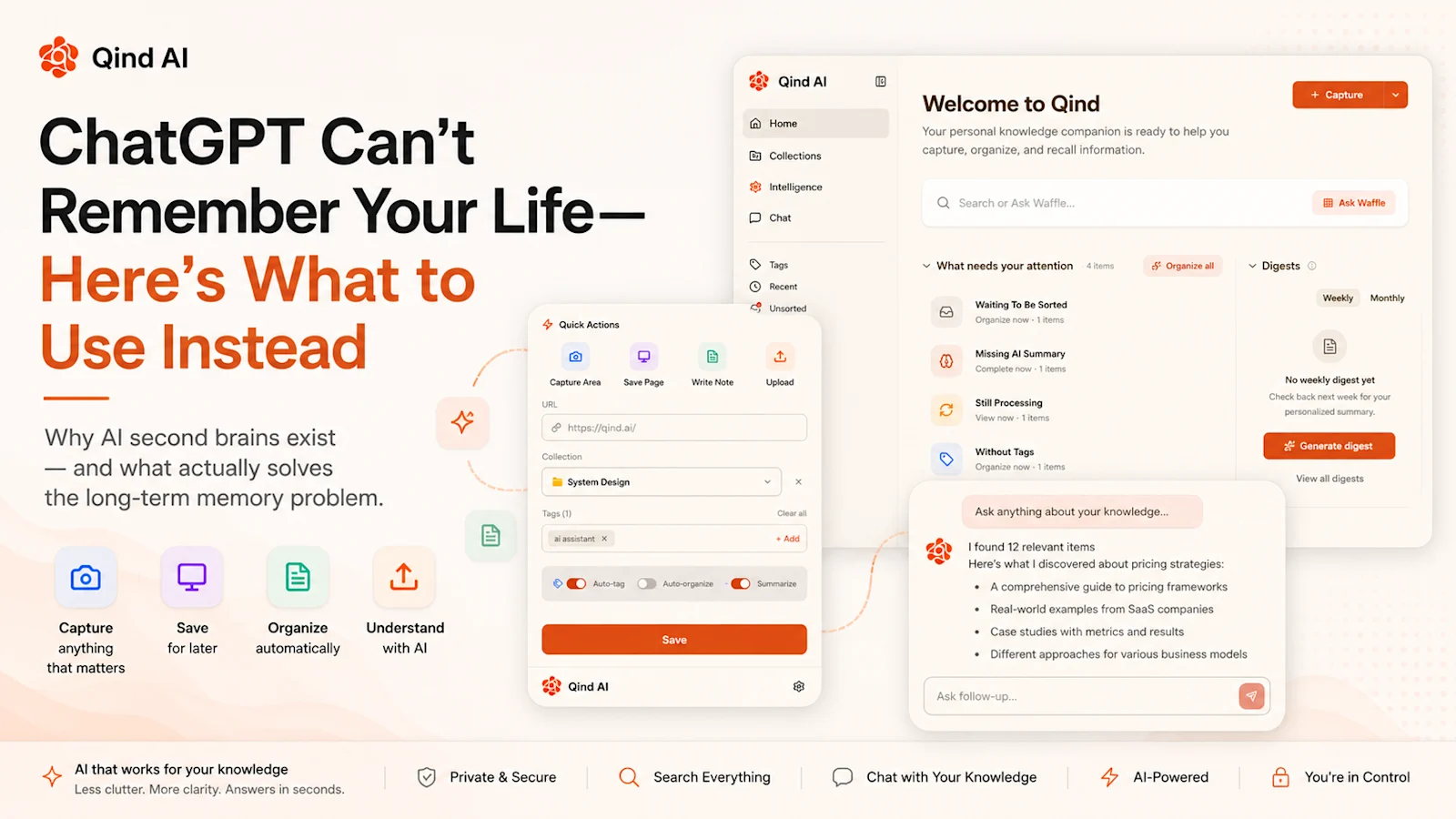
This is the core philosophy behind Qind AI. It acts as a invisible, self-organizing layer that bridges the gap between chaotic digital inputs and clear, actionable insights.
3 Steps to Simplify Your Digital Life Today
Consolidate Your Dump Zones: Stop maintaining five different read-it-later and note-taking apps. Choose one central repository for all raw captures.
Abandon Folder Perfectionism: Resist the urge to create complex folder hierarchies. Trust semantic search to find connections based on meaning rather than static locations.
Focus on Output, Not Maintenance: Spend your energy synthesizing knowledge and producing work, rather than organizing the tools you use to capture it.
Conclusion: Minimalism is About Getting Rid of the Maintenance Burden True digital minimalism isn't about using fewer tools or having a completely empty desktop; it's about reducing the friction between an idea and its implementation. By taking on the role of "digital archivist" (sorting, tagging, and filing), you reclaim the mental space needed for meaningful and creative work. By delegating the heavy burden of organization to Qind AI, you not only create a smarter second brain; you also give your primary brain the space it needs to rest, focus, and innovate. Clean up your digital workspace, trust your search engine, and get back to what really matters.