How Journalists Can Build a Searchable Source Library Without Losing Context
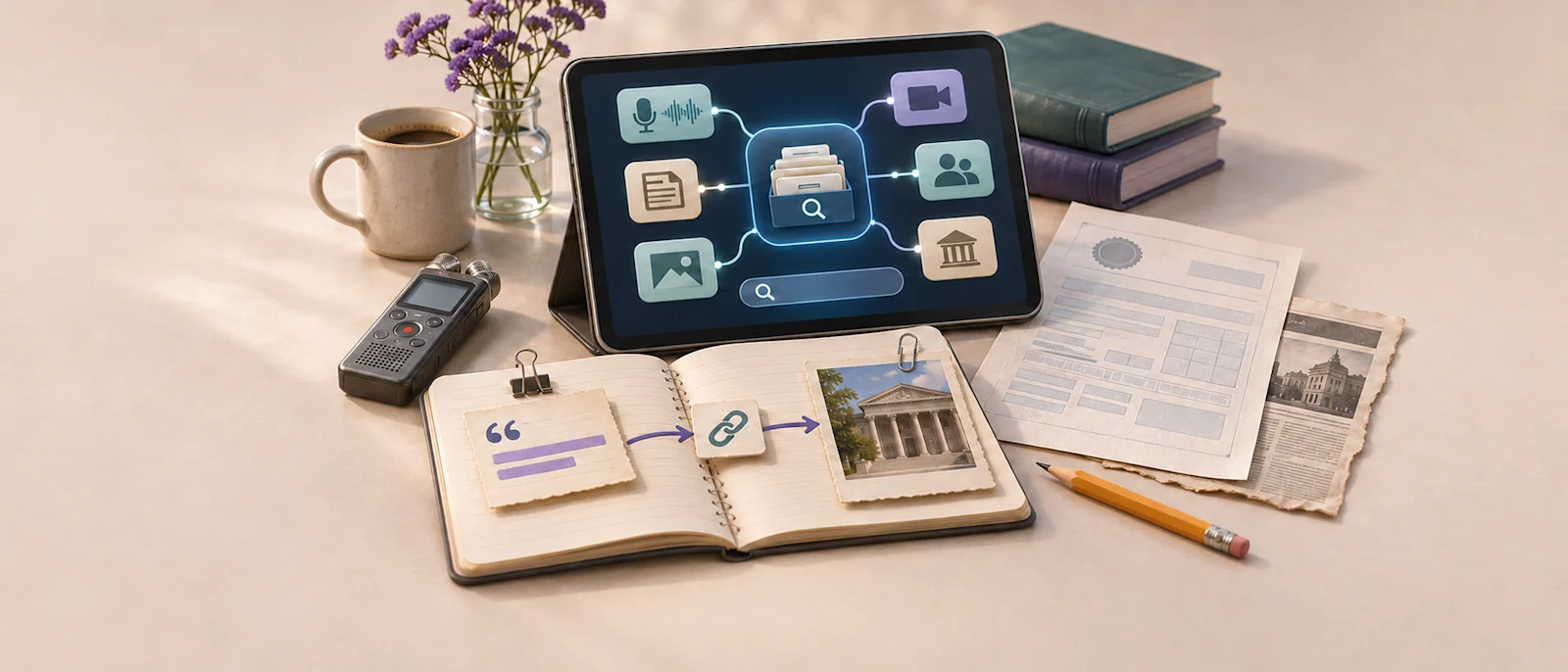
Reporting research often spreads across browser tabs, recordings, documents, and notes. A source library can keep the material—and the context needed to verify it—together.
Reporting research often spreads across browser tabs, recordings, documents, and notes. A source library can keep the material—and the context needed to verify it—together.
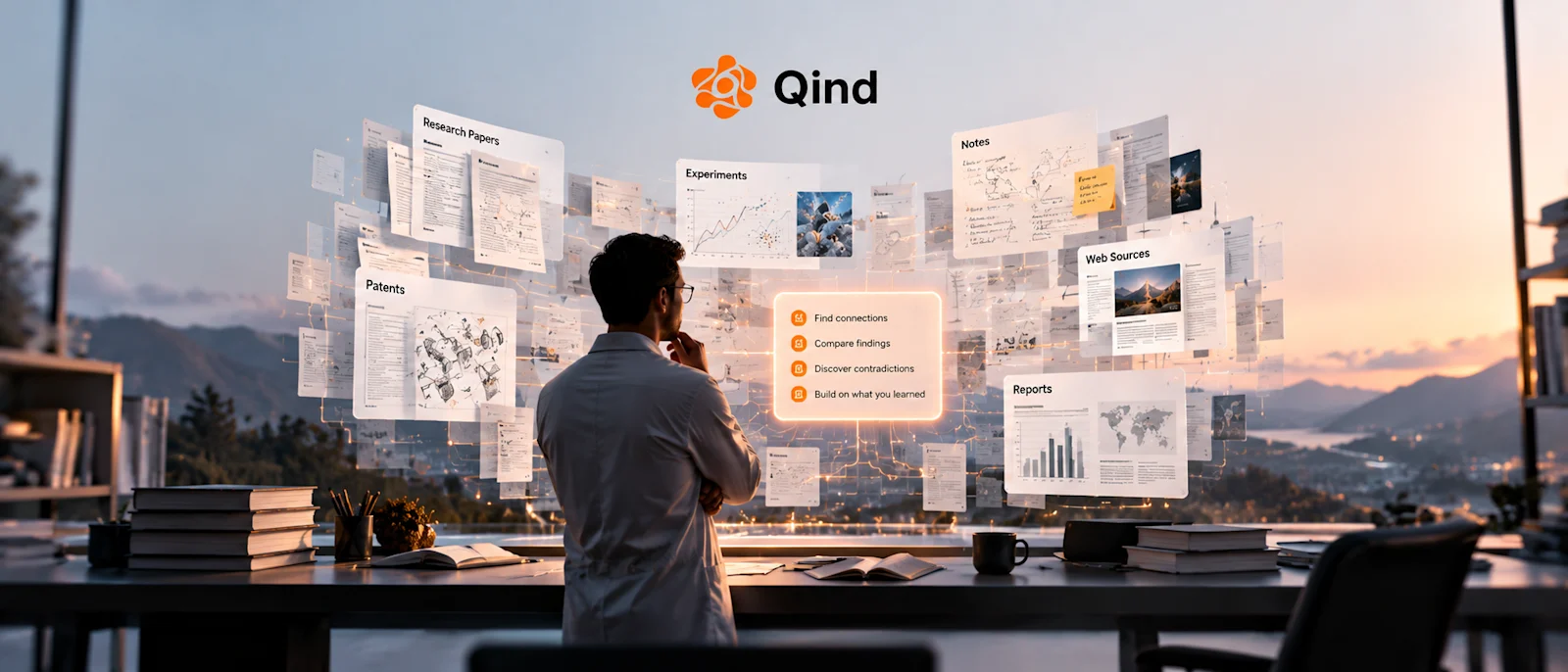
Researchers rarely struggle because they cannot find enough information. The real challenge begins after dozens of papers, notes, experiments, patents, and web sources have accumulated. Weeks later, the difficult part is reconstructing what each source said, how the findings connect, where they contradict one another, and which evidence actually supports the next decision.
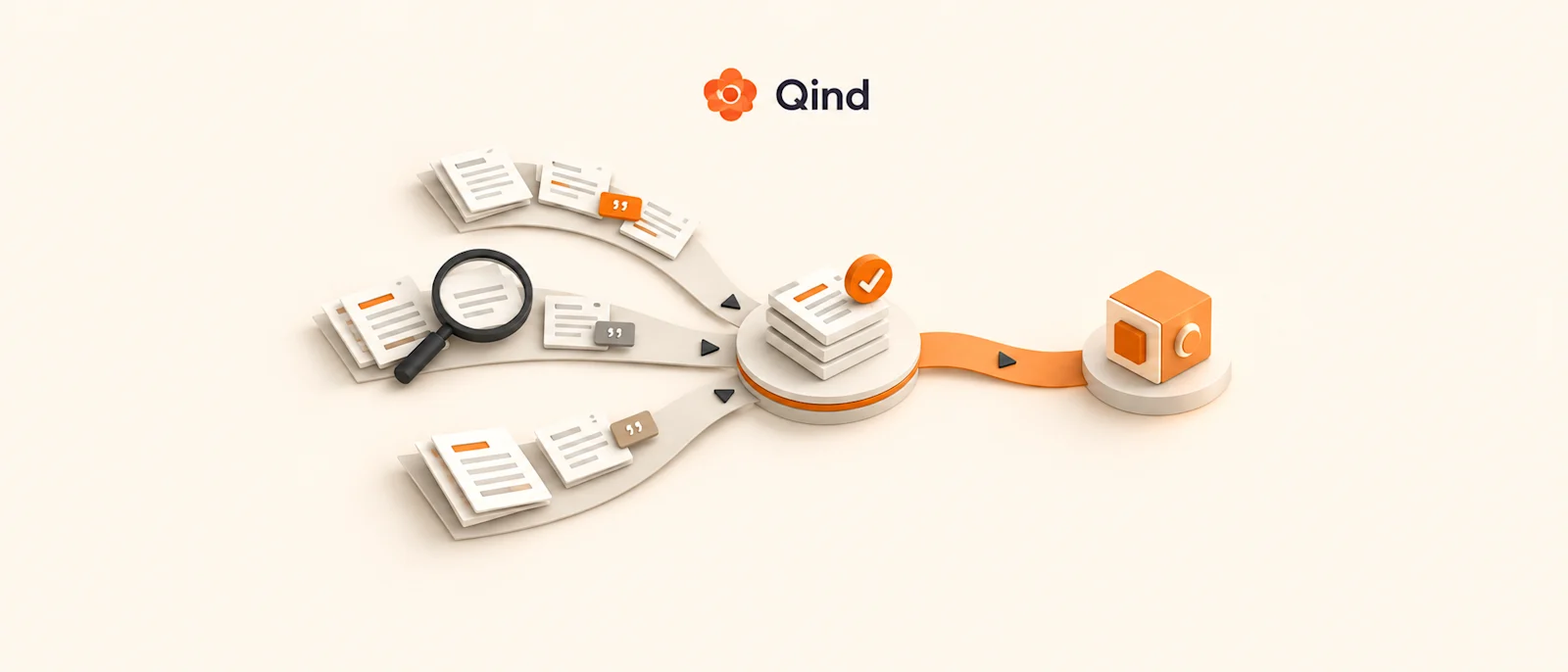
Another article, another comparison, another open tab. Research can keep expanding long after it stops helping your decision. Here’s how to define enough evidence, recognize what is still missing, and move forward without pretending you know everything.
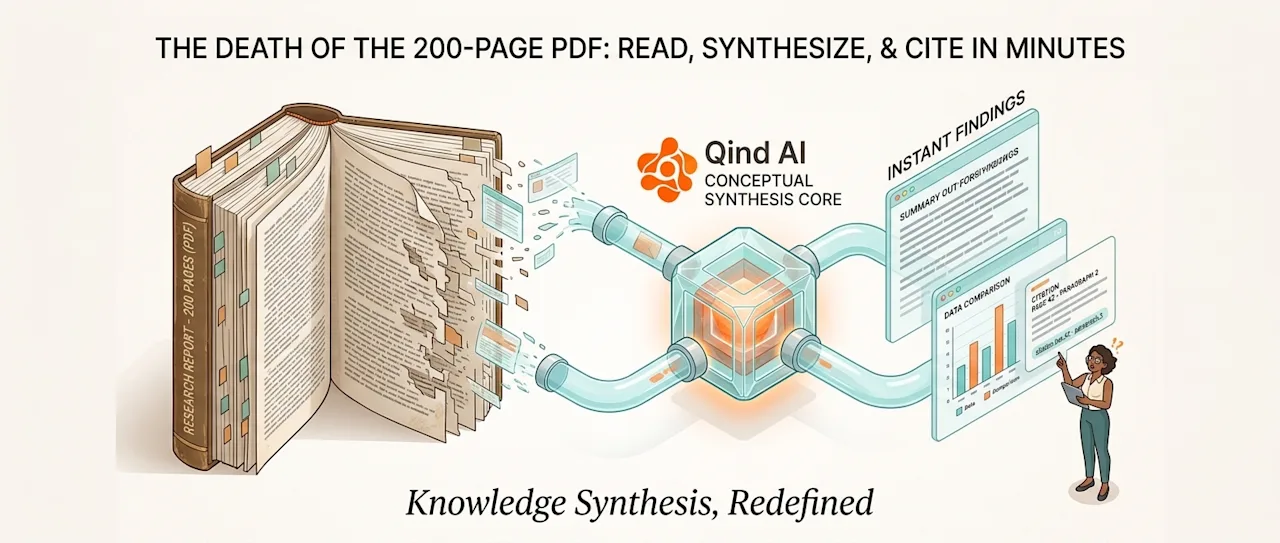
Reading 200-page PDFs page by page is a relic of the past. Discover how conceptual AI retrieval allows researchers and analysts to extract insights and verify citations in seconds.
Practical notes on knowledge management, AI workflows, and getting more out of what you save. No noise.
Collect what you read on any topic. Ask your library, and get answers drawn from your own sources.
Free plan, no card needed. Upgrade only if you need more.