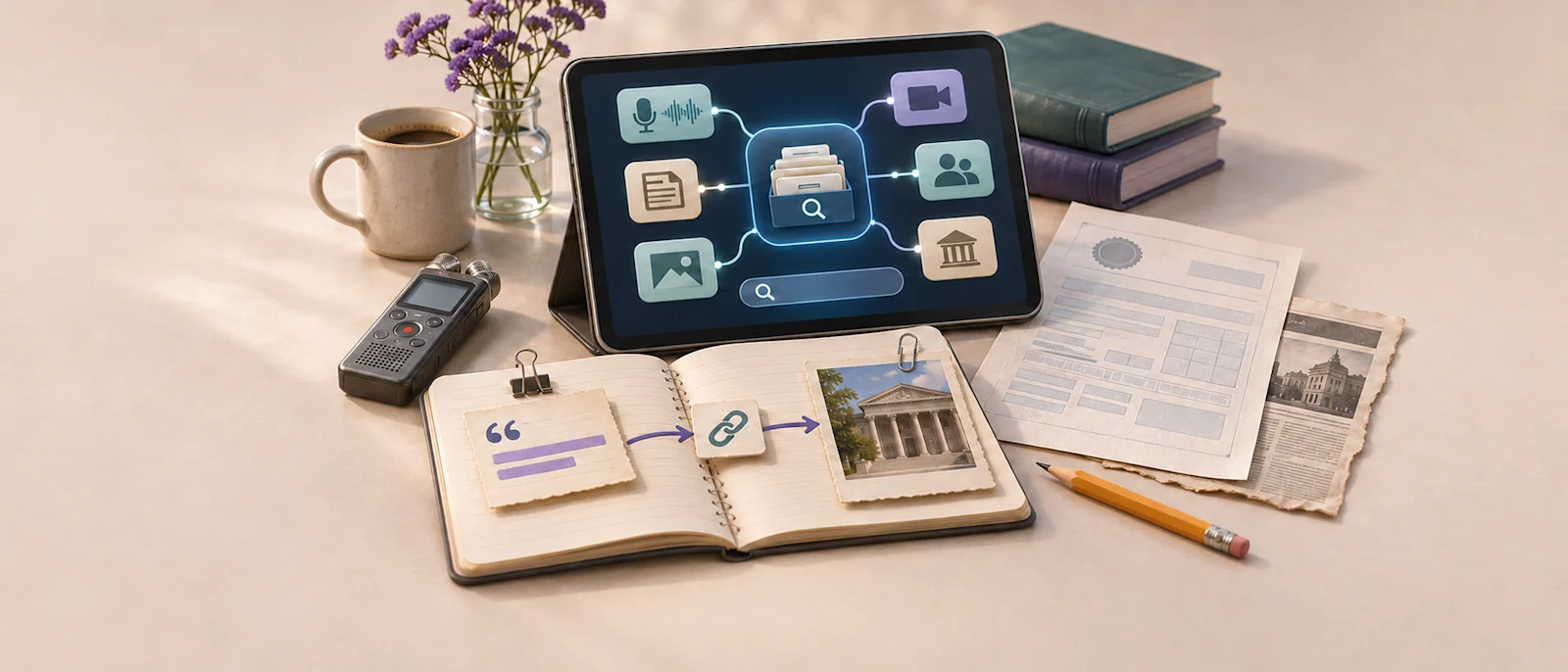
How Journalists Can Build a Searchable Source Library Without Losing Context
Reporting research often spreads across browser tabs, recordings, documents, and notes. A source library can keep the material—and the context needed to verify it—together.
Reporting research often spreads across browser tabs, recordings, documents, and notes. A source library can keep the material—and the context needed to verify it—together.
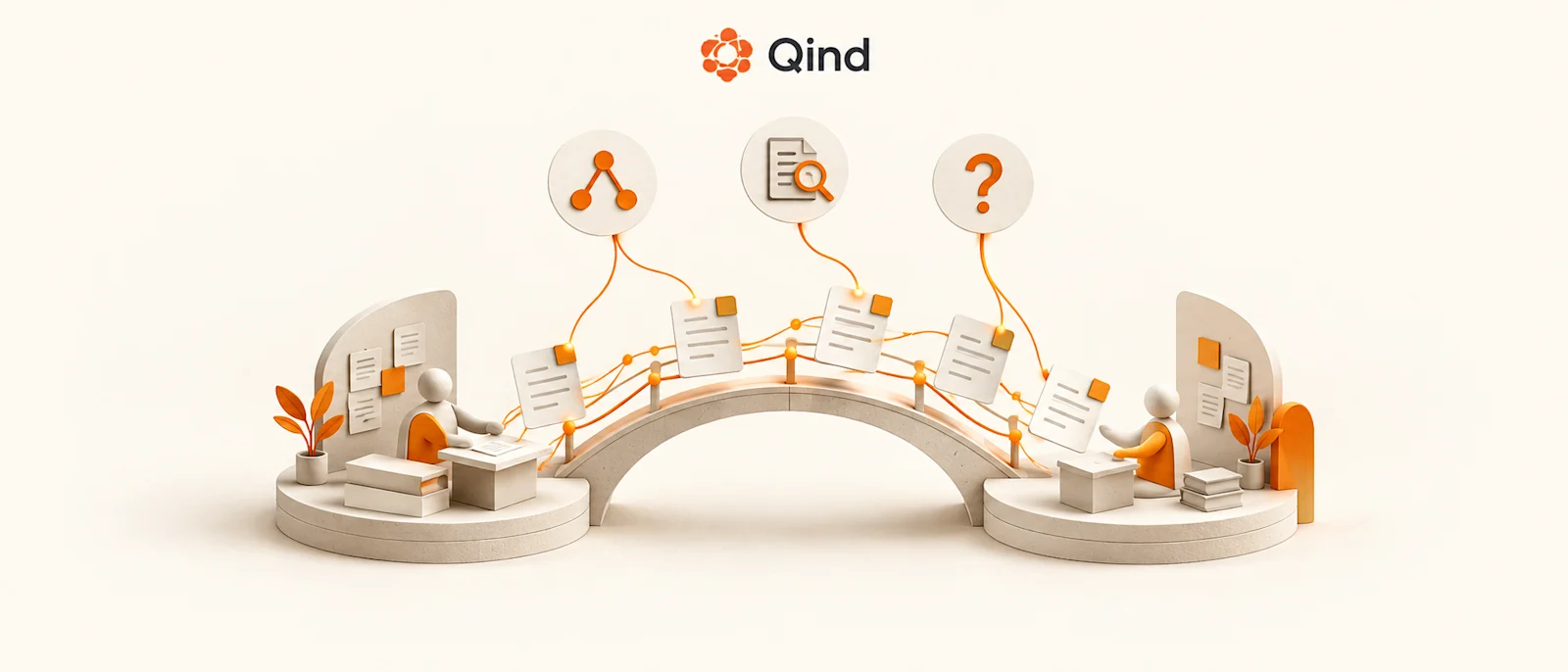
A project handoff can include every document and still leave the next person guessing. Learn how to preserve the reasoning, evidence, and unresolved questions behind your work—and build a handoff people can actually use.
Staying focused can be difficult when your attention is constantly being pulled in different directions. You may begin the day with a clear list of priorities, only to reach the evening wondering where the hours went. Time blocking offers a practical way to bring more structure and intention to your schedule.
Product managers are often told that their job is to prioritize. In reality, much of the work happens before prioritization even begins. PMs spend hours reconstructing context from meetings, customer feedback, Slack threads, tickets, research, and past decisions. The teams that solve this problem make faster, more consistent product decisions.
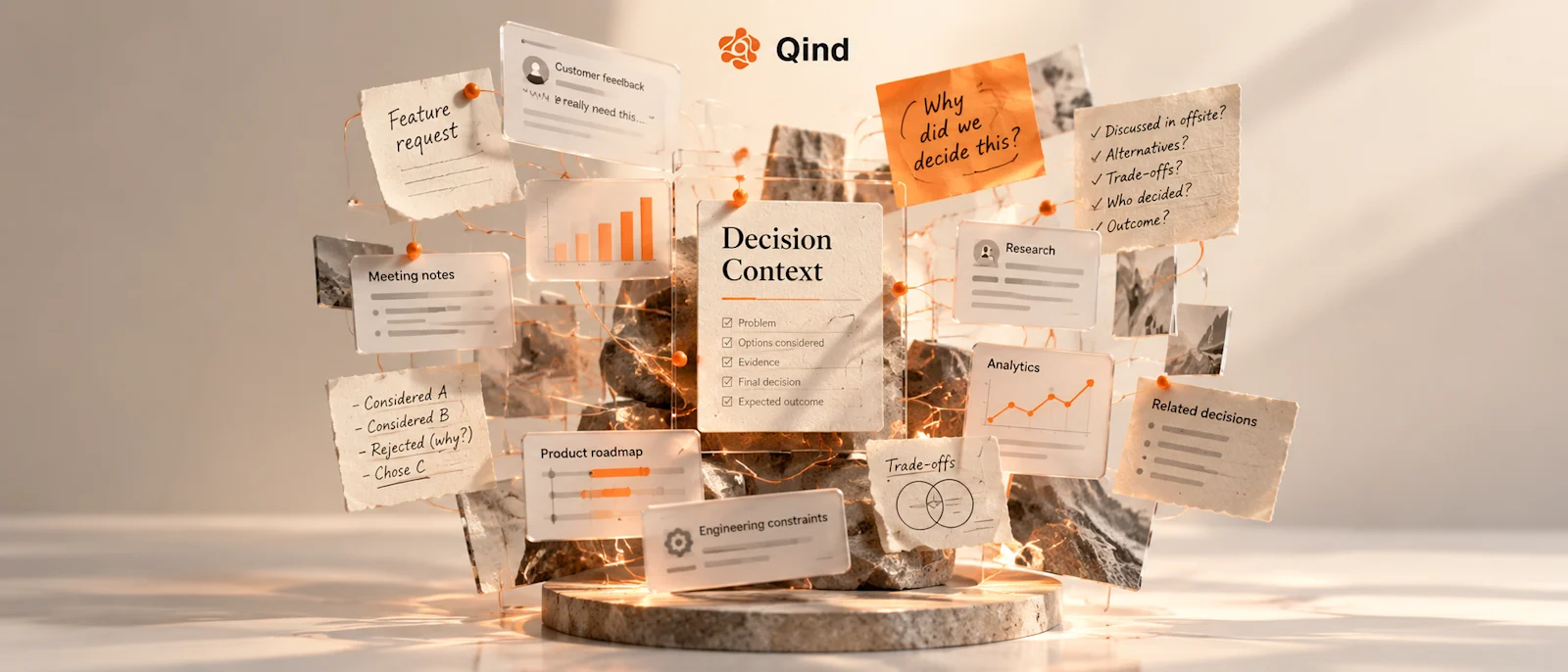
Product teams often waste time debating decisions they already made months ago because the reasoning behind those decisions has disappeared into Slack threads, tickets, meeting notes, and people’s memories. This article explores why product decisions lose their context, how that creates repeated debates and inconsistent choices, and what teams can do to build stronger decision memory.
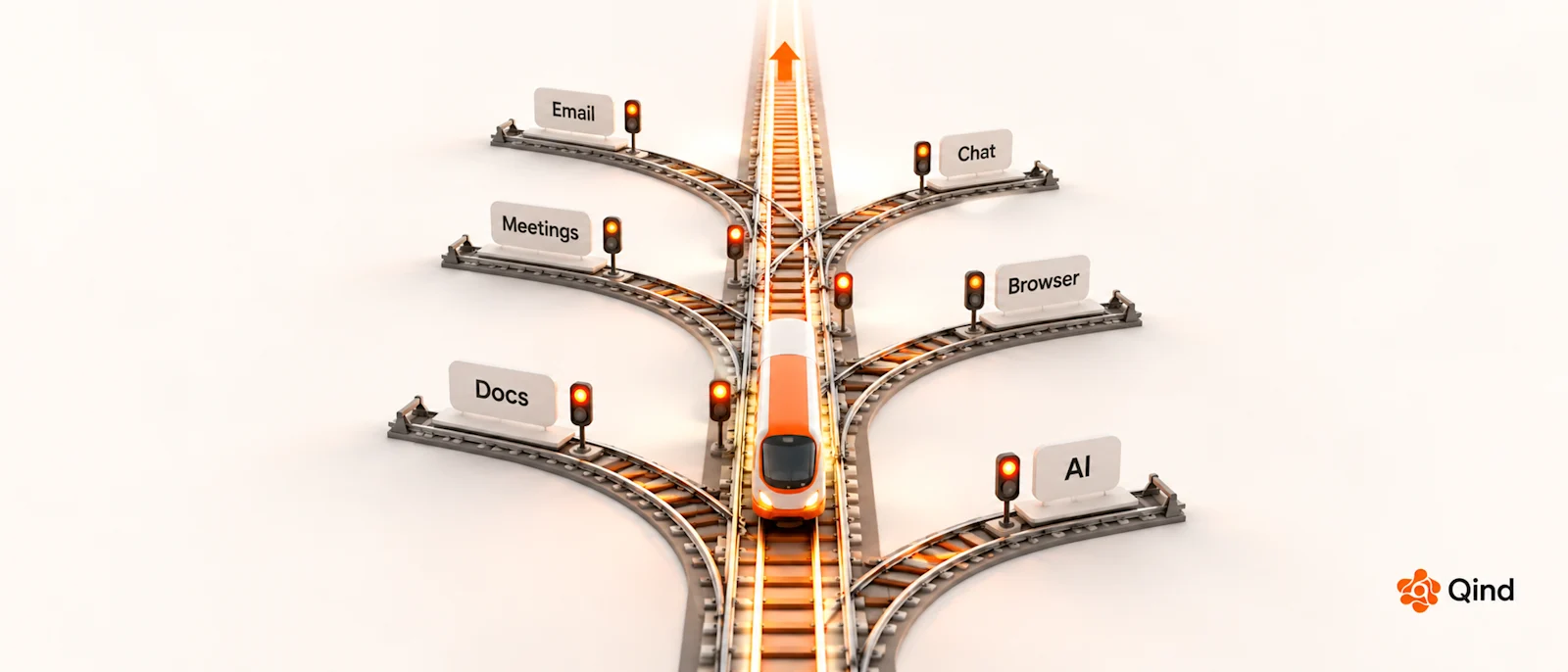
Modern work encourages us to jump constantly between email, chat, documents, meetings, and browser tabs. Research on task switching shows that every transition carries a cognitive cost — especially when the work is complex. The real productivity problem may not be distraction itself, but the price we pay every time we rebuild focus.
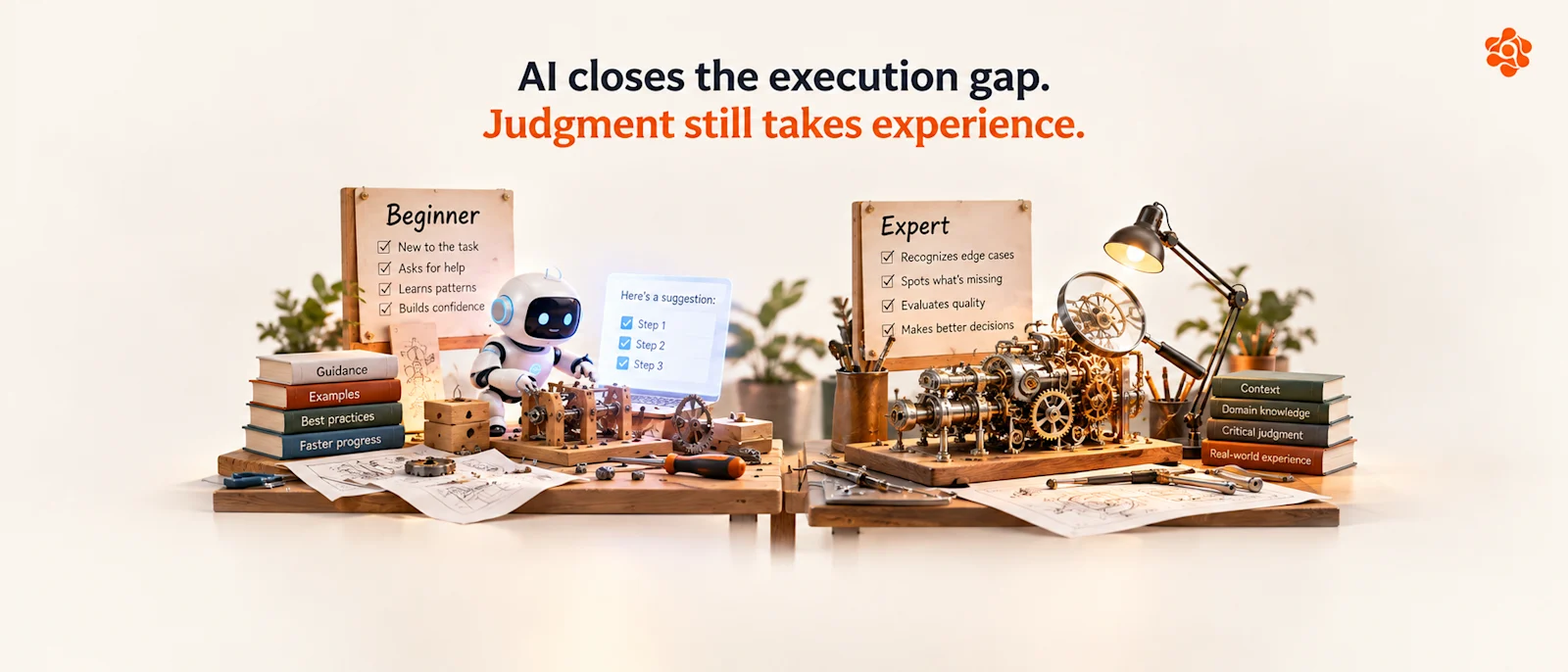
Research with customer-support agents, software developers, and consultants shows a surprising pattern: generative AI often delivers its biggest productivity gains to less experienced workers. That does not make experts obsolete. It changes where expertise creates value.
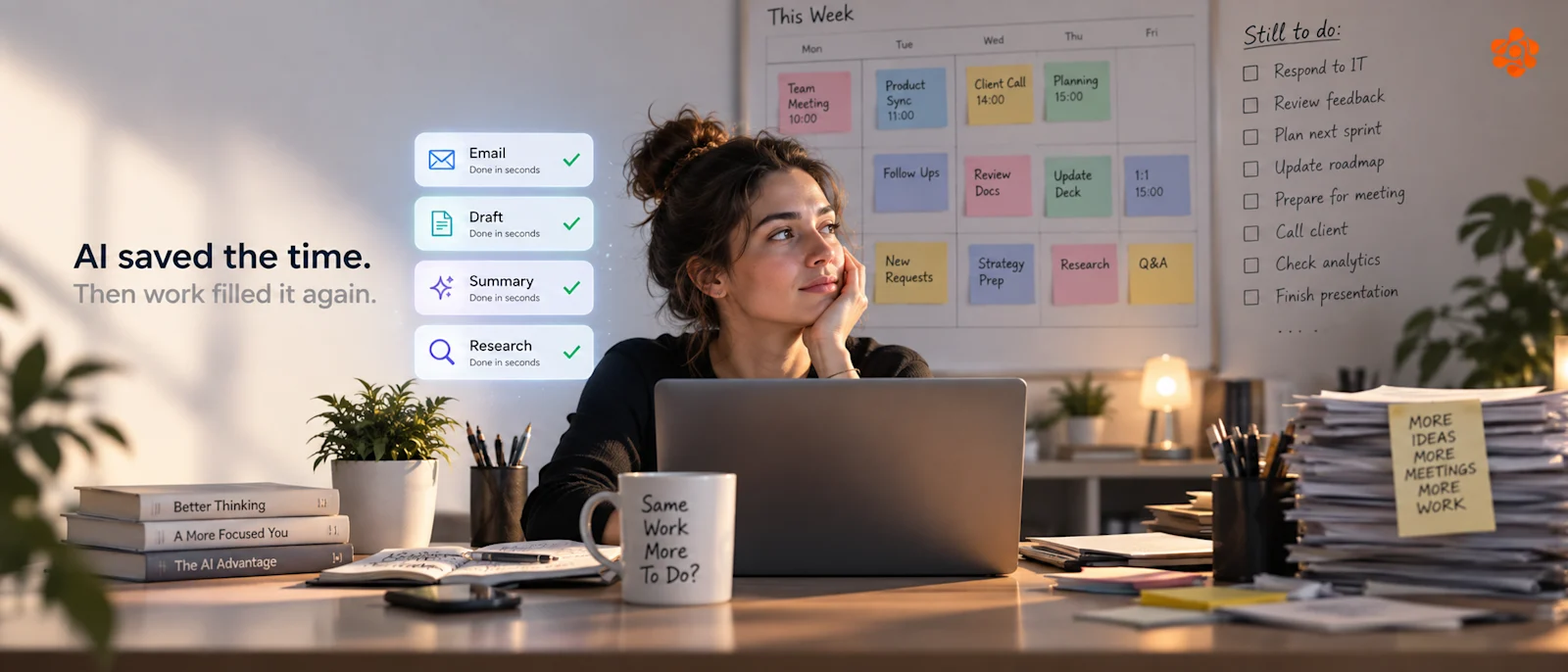
AI is already helping people write, search, code, and process information faster. Research shows real productivity gains, yet many workers do not feel dramatically less busy. The reason may be simple: saved time rarely stays empty.
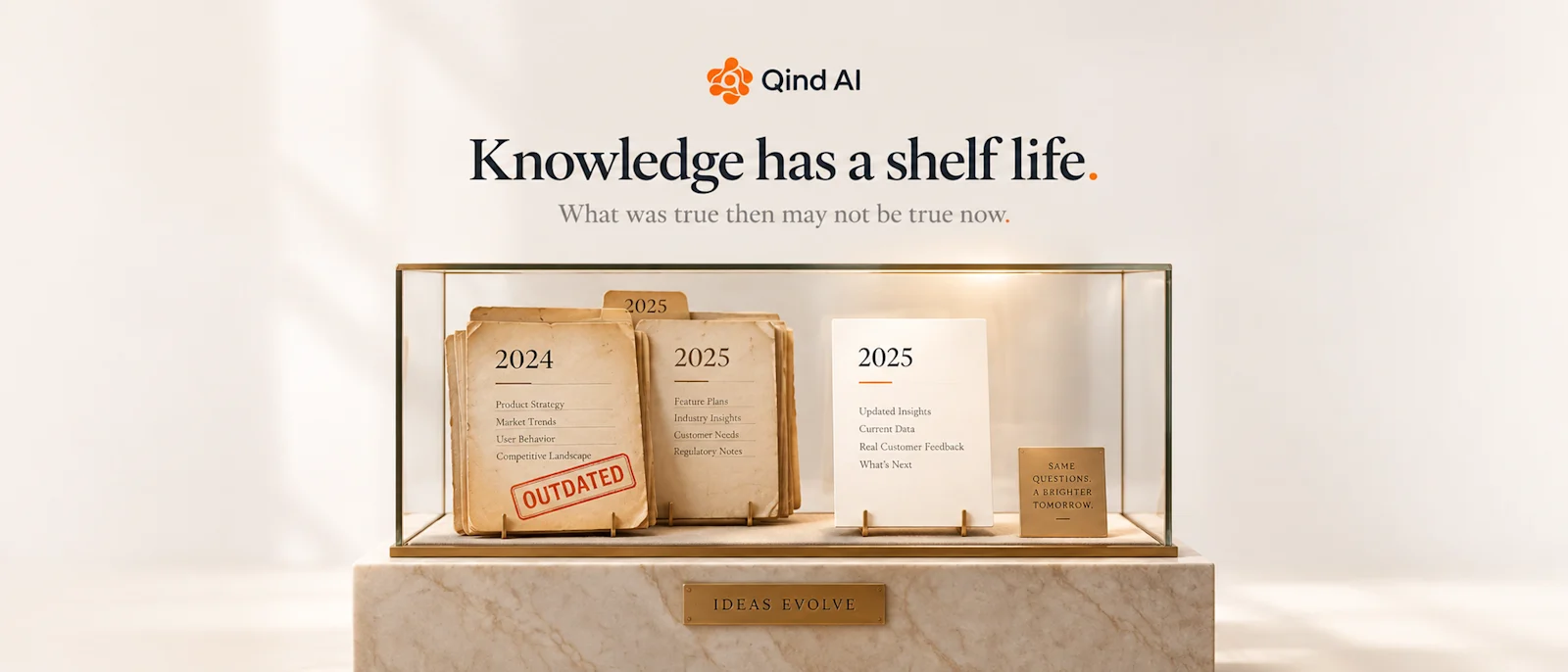
Most knowledge systems are designed to prevent information from disappearing. But there is another risk: information that survives long after it stops being true. As AI makes old knowledge easier to retrieve, knowing what is still current becomes just as important as finding it.
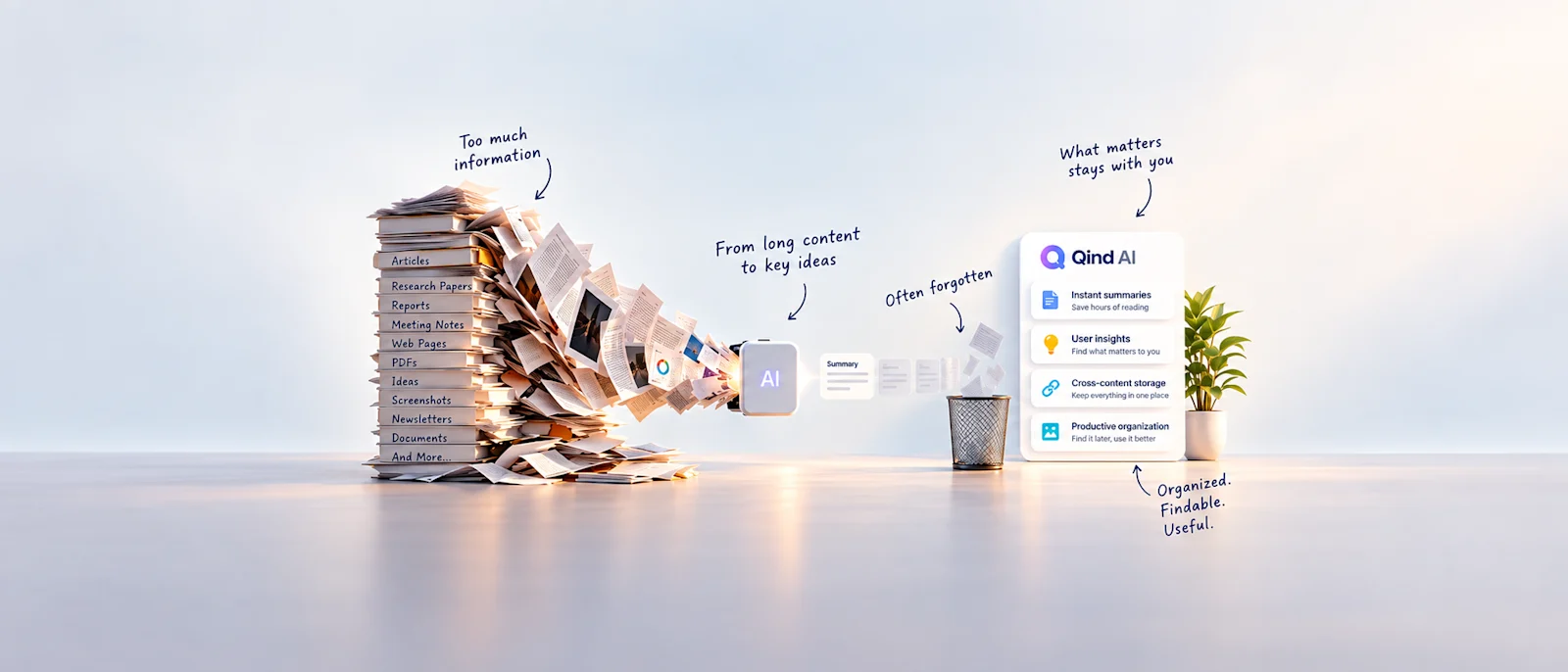
AI can summarize articles, reports, papers, and documents in seconds. But faster reading creates a new problem: what happens to the useful knowledge after the summary disappears into another tab, chat, or note? The next challenge for AI is not simply helping us consume more information. It is helping us remember what was worth keeping.
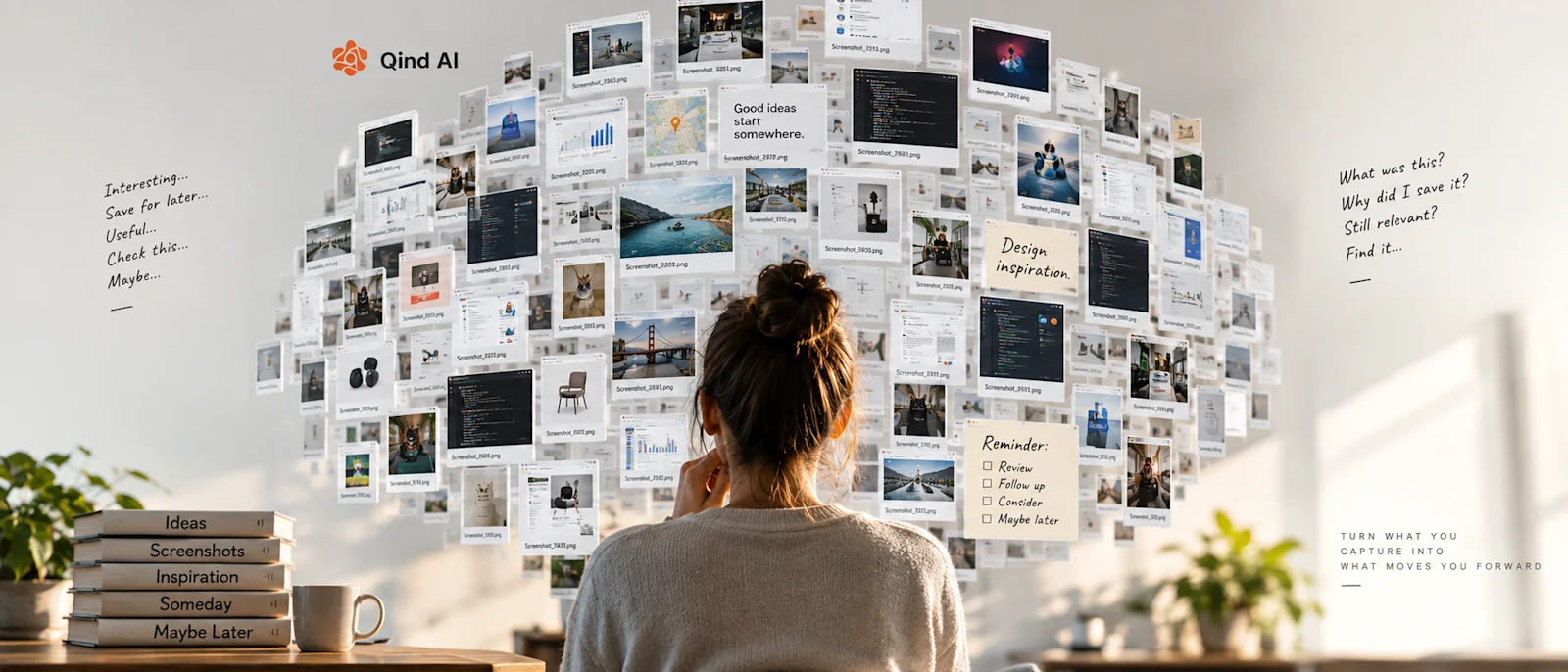
Your camera roll is full of things you never meant to keep as photos. Menus, receipts, book pages, products, signs, screenshots, and random details you were afraid to forget. The real problem is not capturing too much. It is losing the reason those things mattered.
Your screenshot folder may contain hundreds of things that once felt important—but can you remember why you saved them? Screenshots reveal a bigger problem with digital memory: we've made capturing information effortless while leaving our future selves to figure out what it all meant.
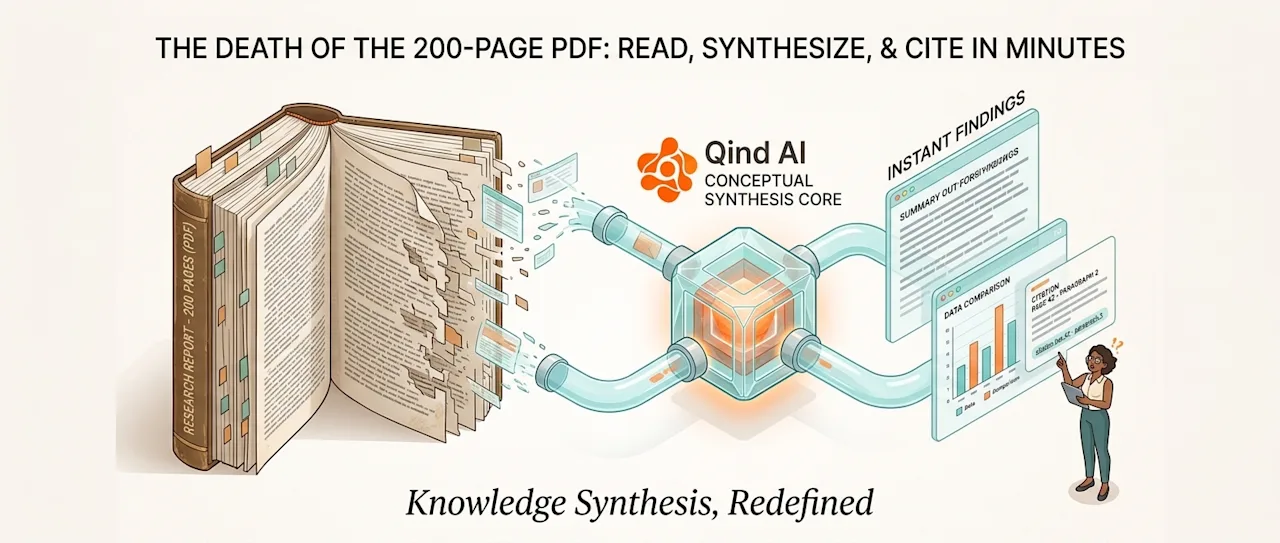
Reading 200-page PDFs page by page is a relic of the past. Discover how conceptual AI retrieval allows researchers and analysts to extract insights and verify citations in seconds.
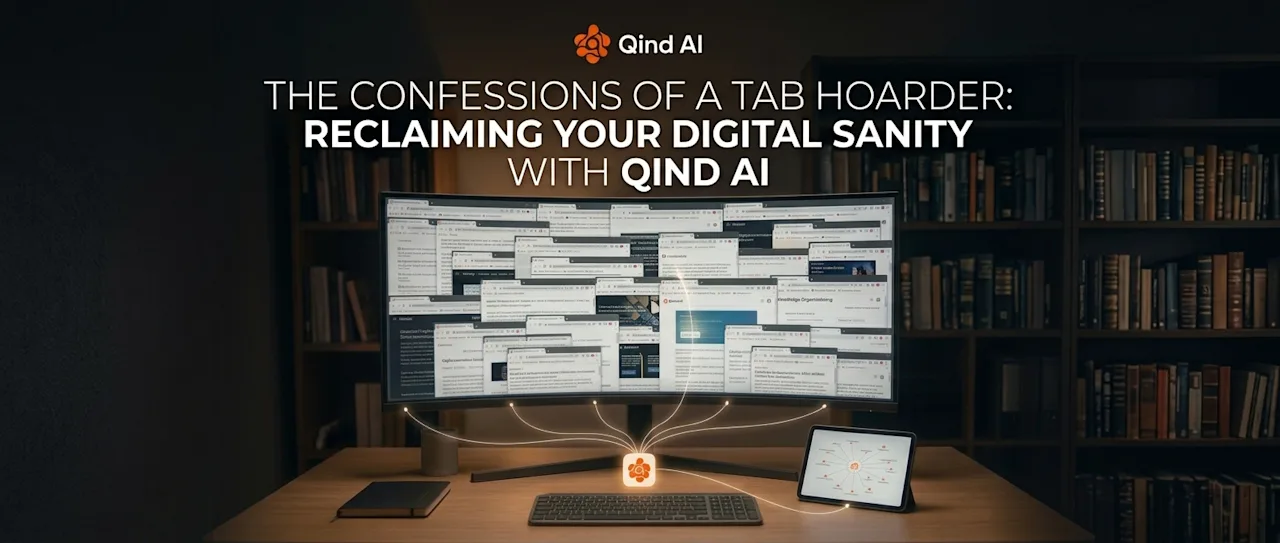
Keeping 50+ browser tabs open isn't a workflow—it's an anxiety machine. Discover why we hoard tabs and how smart AI search lets you close them with complete peace of mind.
Speaking is 7x faster than typing, but voice notes usually die in audio apps. Learn how to automatically turn raw voice memos into structured tasks, summaries, and projects.
Traditional Second Brain systems trigger task paralysis in ADHD minds. Discover how Qind AI automates knowledge capture, smart reminders, and task execution without filing friction.
Discover the 7 best automation tools for 2026. From Qind AI's cognitive knowledge management to Zapier and Make's workflow integration, find the right solution to reclaim your time.
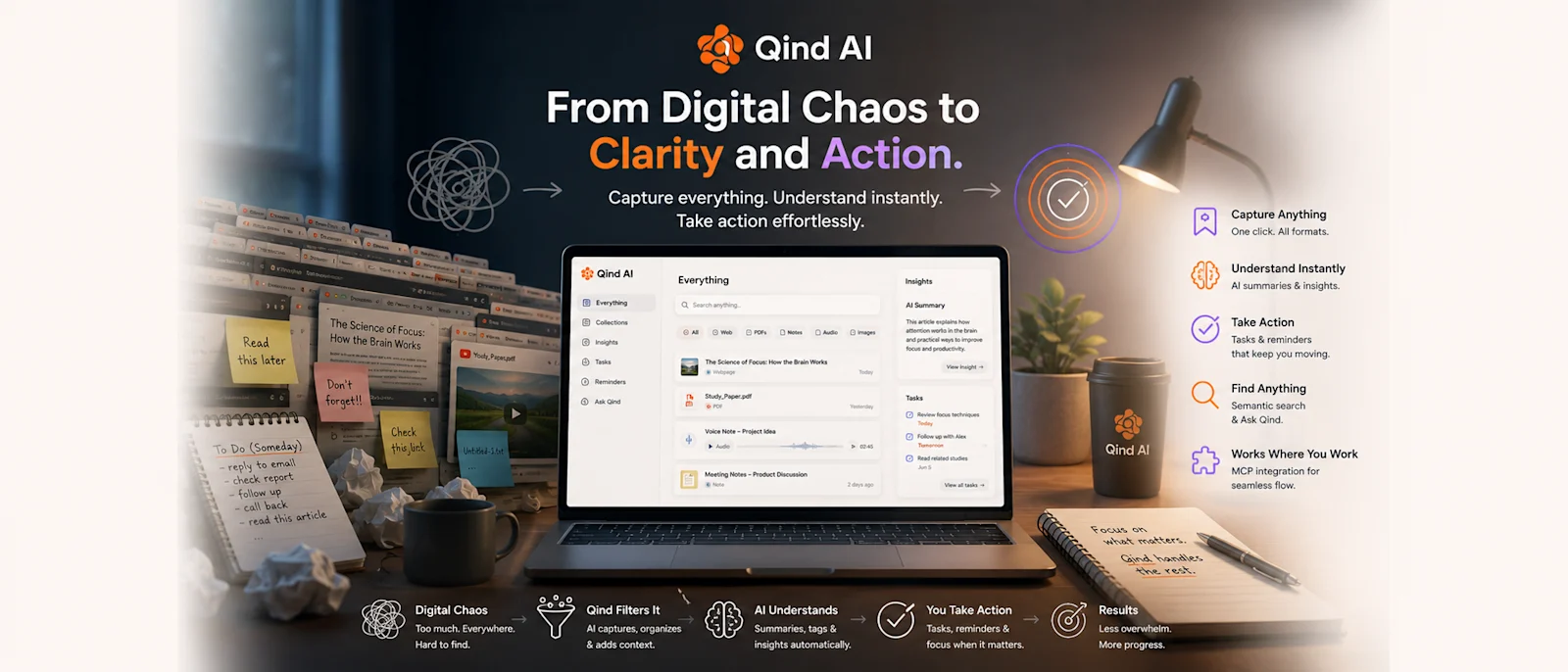
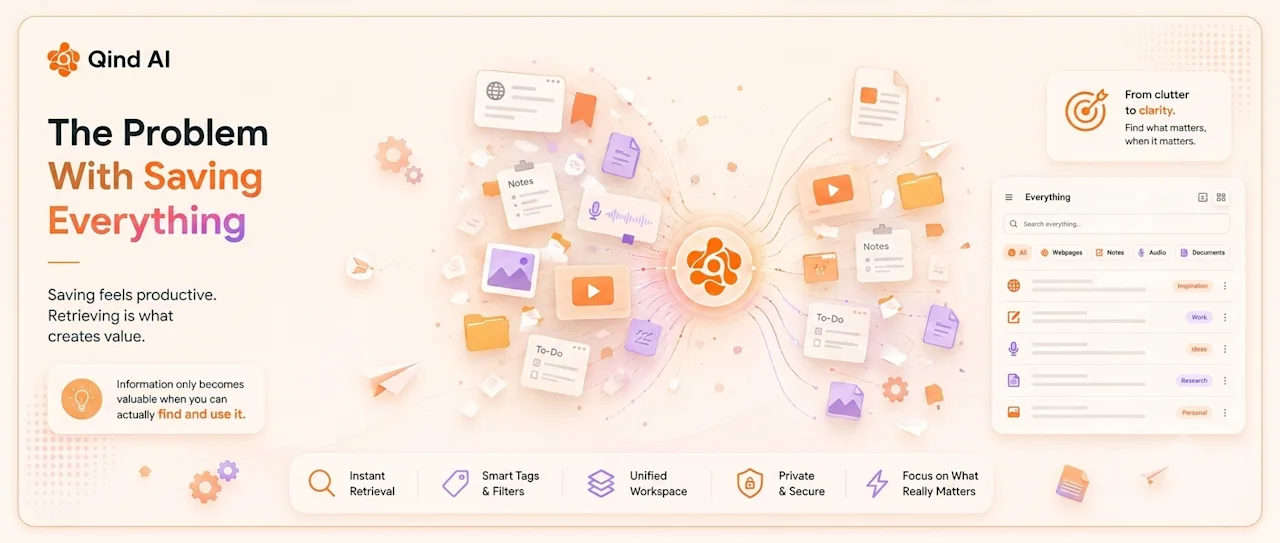
We save more information than ever, but saving is not the same as knowing. This article explores why digital clutter grows, why context gets lost, and why better retrieval matters more than simply storing more.
Stop losing track of your research before finals. Discover how unifying your notes, syllabus PDFs, and lecture audio in one workspace eliminates academic clutter and boosts your productivity.
Practical notes on knowledge management, AI workflows, and getting more out of what you save. No noise.
Save the articles, notes and files you collect. Qind organizes them and answers from them.
Free plan, no card needed. Upgrade only if you need more.